
Recent Briefs
International Equal Pay Day
18 September — Advancing Fairness, Dignity, and Ethical Employment
International Equal Pay Day is a powerful reminder that fairness at work is not achieved through policy statements alone — it is built through daily decisions, transparent systems, and procurement practices that value people, not just prices.
The UN Women Equal Pay Report (2026) highlights that global progress remains uneven. Women continue to earn less than men across nearly all sectors, and the report stresses that “equal pay for work of equal value remains one of the most persistent and measurable forms of gender inequality.” It also warns that wage gaps are widest in low-paid, feminised sectors — including cleaning, care work, and frontline services.
For Adroit Facilities, these findings are not abstract. They reflect the very labour market we operate in — and the very inequities we are committed to changing.
What the UN Women 2026 Report Shows
Key insights from the 2026 report include:
Gender pay gaps persist even when women and men perform the same roles.
Frontline and low-income workers face the highest risk of wage discrimination, especially in outsourced services.
Procurement systems that prioritise the lowest bidder directly contribute to wage suppression, unsafe working conditions, and unequal pay.
Transparent pay structures and ethical employment models are proven tools for reducing gender wage gaps.
Women in essential services remain undervalued, despite carrying the bulk of operational responsibilities.
The report emphasises that closing the gap requires employers to adopt fair wage policies, gender-responsive procurement, and accountability mechanisms — all areas where Adroit has taken a leadership stance.
Adroit’s Contribution to Equal Pay
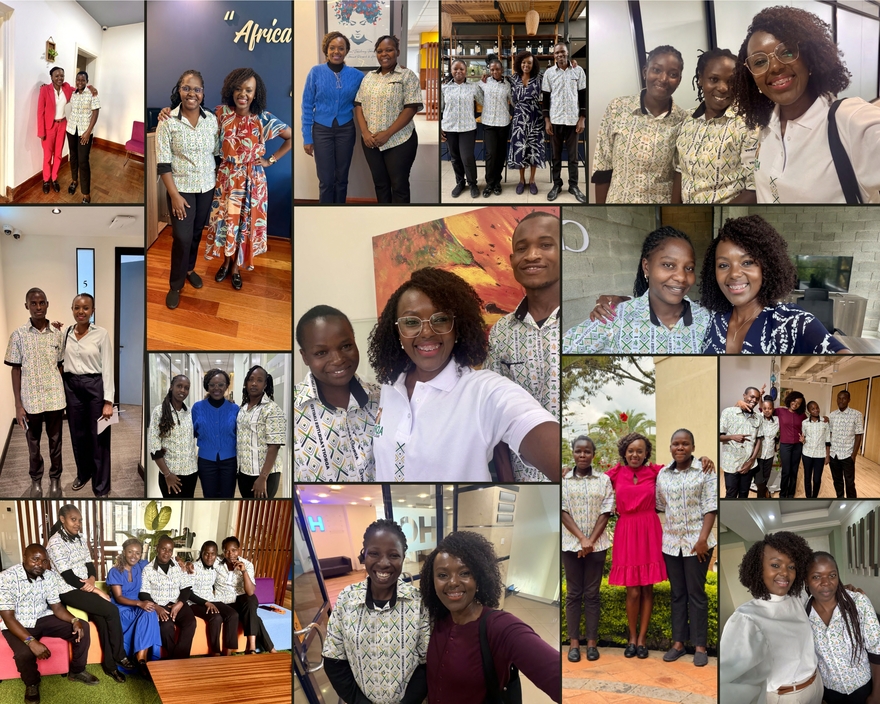
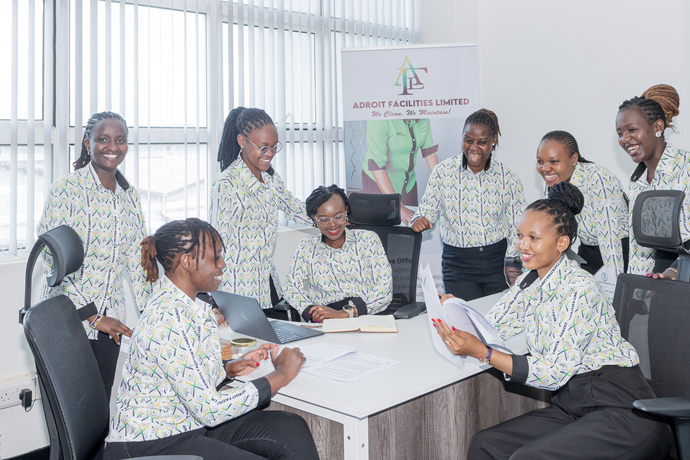
For a decade, Adroit has championed a model of employment that centres fairness, dignity, and opportunity — especially for women and youth in frontline roles.
Our commitments include:
Equal pay for equal work Transparent salary bands and job grading ensure that compensation is based on role, not gender.
Fair wages: We refuse to participate in wage suppression driven by lowest-cost procurement.
Professional development pathways Women and youth access training, coaching, and mobility opportunities that lead to higher-earning roles.
Ethical employment contracts Every team member is formally employed, protected, and paid on time — without exception.
A culture of dignity and inclusion Respect, recognition, and safety are foundational to how we operate.
Equal pay is not an annual theme for us — it is a daily practice embedded in our operations.
Responsible Procurement: The Missing Link
The UN Women report makes a critical point: Procurement systems can either reinforce inequality or drive fair labour markets. When organisations choose ethical partners, they directly contribute to equal pay, safer working environments, and stronger communities.
Responsible procurement is not just a business decision — it is a social justice tool.
A Call to Action
On this International Equal Pay Day, we invite our clients, partners, and peers to join us in advancing fairness across Kenya’s workplaces.
You can contribute by:
Reviewing pay structures for gender parity
Choosing ethical service providers
Prioritising dignity in procurement decisions
Supporting organisations that invest in women and youth
Ensuring frontline workers are valued, recognised, and paid fairly
Equal pay is achievable. It begins with the choices we make today.
To every organisation that partners with Adroit: thank you for choosing dignity, fairness, and impact. Your decisions create real opportunities for women, youth, and families across Kenya.
Together, we can build workplaces where fairness is not an aspiration — it is the standard.
Atlanta Wamahia
Founder & ISD
Adroit Facilities Limited
Managing Facilities. Transforming Communities.