
Recent Impact Stories
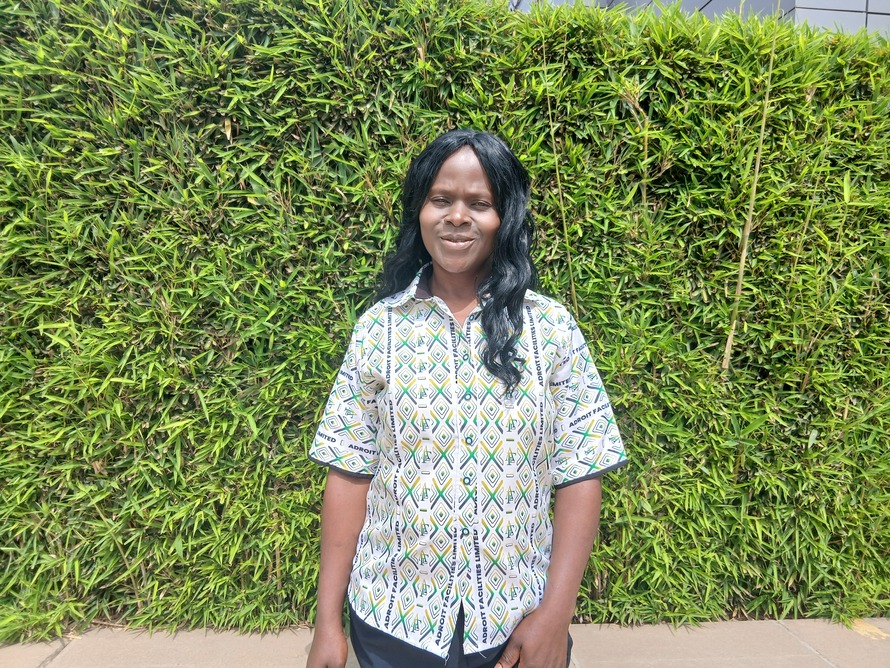
FROM LOW WAGE STEWARD TO CONFIDENT TEAM LEADER THROUGH DIGNIFIED WORK
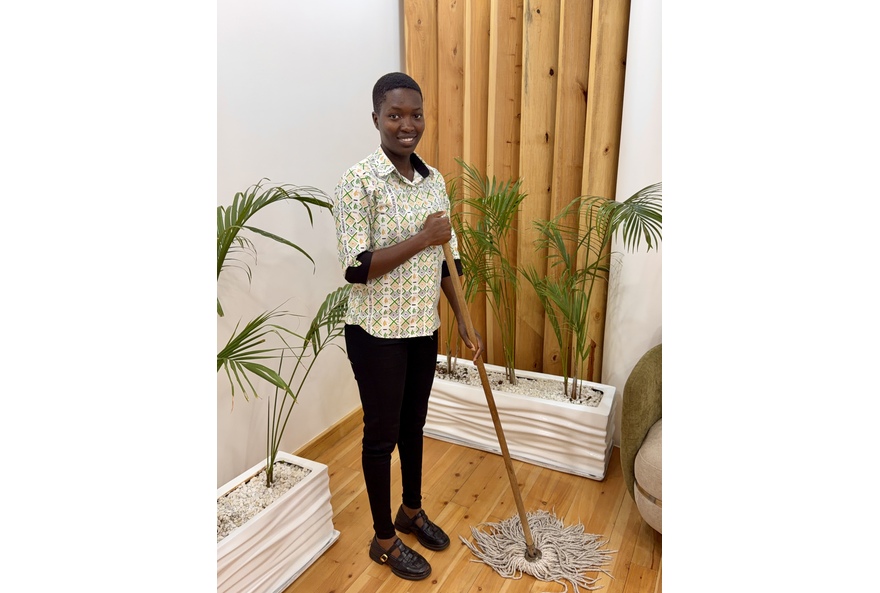
When Sarah Nanjala Barasa joined Adroit Facilities Limited, she was not simply changing jobs — she was looking for stability, dignity, and a chance to build a better future for her family. Her journey reflects the broader challenge across the facilities management sector: many workers, particularly women, remain in low-paying, unstable roles with limited opportunity for advancement. Sarah’s experience shows what changes when employment is structured differently.
Before Adroit: Low Pay, Unstable Work, and Hard Work Without Stability
Before joining Adroit, Sarah worked as a steward at Kenyatta University under a different company. Despite her commitment, the environment was difficult — marked by low pay, inconsistent income, and a lack of respect or professional support.
She struggled to plan for her family’s needs and often felt stuck.
I struggled with low pay and a challenging work environment. It was hard to feel secure.
Her experience mirrors the reality of many women in Kenya’s facilities management sector: hardworking, capable, but trapped in informal or exploitative work arrangements.
The Opportunity: A Pathway to Dignified Employment
Sarah learned about Adroit through a referral from a current employee. What stood out to her was the promise of something rare in the sector:
Reliable and fair pay
Early salary disbursement
Opportunities for growth
A respectful, supportive work environment
When she joined as a steward, the difference was immediate.
I saw my life begin to change. I felt like my future was finally turning around.
Adroit’s model is built on this foundation—formal employment that provides both income stability and an environment where people can grow.
Growth in Skills, Confidence, and Responsibility
At Adroit, Sarah gained more than a job. Through daily supervision, mentorship, and on-the-job learning, she developed:
Strong communication and interpersonal skills
Professional confidence
Experience interacting with clients, including expatriates
A deeper understanding of workplace standards and expectations
Management and supervisors guide us and correct us in a humble way. That really helped me improve.
Her growth has translated into increased responsibility. Today, Sarah acts in as a team leader at her station—an indication of both her capability and the trust she has earned.
Economic Mobility: A Life Changed Through Fair Pay and Social Protection
Sarah’s income increased from KSh 9,000 to more than double, enabling her to:
Plan and manage her household finances
Reduce reliance on borrowing
Access savings through NSSF
Access healthcare for herself and her dependents through SHIF
Provide consistent support for her family
Now I can plan my life. My family has food, and I can pay school fees.
This stability has had ripple effects beyond income: one job stabilizes an entire household.
A Better Future: Stability, Security, and New Possibilities
With increased income and confidence, Sarah is now actively building a better future for her family. She is:
Supporting her parents
Building a house for her mother – access to credit due to steady income.
Providing greater stability for her children
I now see my tomorrow being better. I know I can become someone in the future.
Why Sarah’s Story Matters
Sarah’s journey is not an isolated success — it illustrates what becomes possible when workers are provided with:
Formal employment for women and youth
Fair wages and predictable income
Training, mentorship, and career mobility
Safe, respectful workplaces
Social protection (NSSF + SHIF)
Leadership pathways for women
Sarah’s journey shows that when opportunity is structured and intentional, hard work can translate into real progress—for individuals, families, and communities.
Through this model, Adroit is demonstrating that improving job quality in the facilities management sector can lead to stronger households, more confident workers, and more reliable service delivery.